Source IP67 Hydraulic Solenoid Control Valve for Excavators, Flow Control, Water Systems
Compare 30 listings of IP67 Hydraulic Solenoid Control Valve options from verified Chinese suppliers. Buyers can evaluate specifications including drive type, pressure ratings, and material composition for industrial and water applications.
Key considerations
Products List


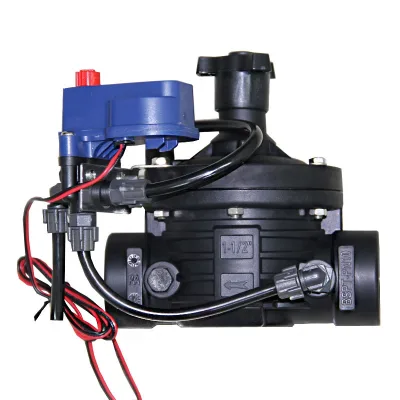


Advanced Hydraulic Control Valve for Optimal Performance and Durability
$28.00 - $32.00
MOQ: 50 Pieces


High Quality Irrigation Control Valve Hydraulic Solenoid Valve 24V 4 Inch
$14.90 - $14.92
MOQ: 10 Pieces
Comprehensive Sourcing Guide
Strategic Sourcing Guide for IP67 Hydraulic Solenoid Control Valves
Understanding Technical Specifications and Core Attributes
When sourcing an IP67 Hydraulic Solenoid Control Valve, the primary objective is to identify components that offer robust protection against water ingress while maintaining precise hydraulic control. The term "IP67" denotes a specific ingress protection rating, where the "6" indicates complete protection against dust and the "7" signifies protection against temporary immersion in water. In the context of hydraulic systems, this rating is critical for equipment operating in wet environments, such as construction sites, agricultural machinery, or outdoor industrial applications.
Based on available product data, buyers should expect to encounter valves with specific actuation and power supply characteristics. The actuator type for these components is frequently electric, driven by a DC solenoid valve power supply. This configuration allows for precise electronic control of hydraulic flow, which is essential for automation and remote operation. The internal construction often involves materials selected for durability and resistance to corrosion. Common body materials observed in this category include cast iron and ductile iron, which provide the necessary structural integrity to withstand high-pressure hydraulic environments. The disc or internal moving parts may be constructed from stainless steel (Ss), brass, or bronze, offering a balance between cost and resistance to wear.
The sealing and coating processes are equally vital for maintaining the IP67 rating over the product's lifecycle. A standard coating thickness of up to 300 microns is often applied to the valve body to prevent rust and corrosion, ensuring longevity even in harsh conditions. The diaphragm material is another critical specification, with options typically including Nylon combined with EPDM or Viton. These materials are chosen for their ability to maintain a seal under varying temperatures and pressures. The temperature range for these valves is generally categorized as low temperature, though the specific operational limits must be verified against the intended application environment. Pressure ratings are also a key differentiator; while some valves are designed for low-pressure applications, others in the hydraulic sector must handle higher loads, requiring careful verification of the pressure class before procurement.
Compliance, Certification, and Standard Verification
Ensuring that a hydraulic solenoid valve meets international and regional safety standards is a non-negotiable aspect of B2B procurement. The presence of CE certification is a primary indicator of compliance with European health, safety, and environmental protection standards. In the supplied product data, CE certification is explicitly listed for several items, serving as a baseline requirement for many international buyers. However, buyers must understand that certification is a process, not a static attribute. It is essential to verify that the specific batch of valves being purchased carries valid certification documentation, rather than relying solely on the general listing of the attribute.
Beyond CE, other standards may apply depending on the application and the region of operation. For instance, the DIN standard is referenced in the context of valve specifications, indicating adherence to German Institute for Standardization requirements, which are often adopted globally for industrial components. The standard "Dn50-300" suggests a range of nominal diameters, which buyers should cross-reference with their system's piping requirements. While ISO 4401 and IEC 60529 are mentioned in background contexts as relevant industry standards, their specific application to a given product must be confirmed through direct supplier communication. ISO 4401, for example, relates to hydraulic fluid power systems, while IEC 60529 defines the IP code system itself.
Buyers should also scrutinize the "Standard" attribute listed in product catalogs. Values such as "1" or specific model numbers like "F8060" and "F8050" indicate specific design iterations. It is crucial to distinguish between a generic standard and a specific model standard. The presence of a "Standard" value does not automatically imply full compliance with all relevant safety regulations without further verification. Procurement teams must request test reports or certification certificates that explicitly link the specific model number to the claimed standard. This due diligence prevents the risk of non-compliant equipment entering the supply chain, which could lead to operational failures or regulatory penalties.
Cost Drivers and Pricing Dynamics
The pricing of hydraulic solenoid control valves is influenced by a complex interplay of material costs, manufacturing complexity, and certification overheads. The observed price range for these components in the market spans from $1 to $399 USD. This wide variance reflects the diversity in valve sizes, pressure ratings, and material compositions. A valve priced at the lower end of the spectrum may be a smaller unit with a simpler internal mechanism, perhaps utilizing cast iron and basic sealing materials. Conversely, valves at the higher end likely feature premium materials such as stainless steel discs, advanced diaphragm compounds like Viton, and more sophisticated solenoid coils designed for higher duty cycles.
Material selection is a primary cost driver. The transition from cast iron to ductile iron, or the use of stainless steel and bronze for internal components, significantly impacts the final price. Similarly, the coating process, such as the 300-micron coating mentioned in product data, adds to the manufacturing cost but is essential for durability. The complexity of the valve design also plays a role; valves with internal gate valve features, such as the "Wedge Gate Valve" seal surface, require more precise machining and assembly, thereby increasing the unit cost.
Minimum Order Quantity (MOQ) is another critical factor in the total cost of ownership. The observed MOQ range for these products is between 1 and 100 units. For small-scale projects or prototyping, suppliers offering an MOQ of 1 allow for flexibility without significant capital commitment. However, larger orders often benefit from economies of scale, potentially reducing the per-unit cost. Buyers must balance the need for immediate inventory against the financial benefits of bulk purchasing. Additionally, packaging requirements, such as bubble bags, wooden cases, or standard cartons, can influence the final landed cost, especially for international shipments where shipping weight and volume are calculated based on the packaging type.
Typical Applications and Operational Context
Hydraulic solenoid control valves with IP67 ratings are designed for a wide array of industrial applications where reliability in wet or dusty environments is paramount. The "Usage" attributes in product data highlight specific sectors, including general machinery (GM) excavators and special excavators. In these heavy-duty applications, the valves must withstand vibration, shock, and continuous operation. The "Drive Type" is typically internal combustion drive, indicating their integration into systems powered by diesel or gasoline engines, common in mobile equipment.
Beyond construction machinery, these valves are essential in industrial water management systems. The "Application" field lists "Industrial Usage" and "Water Industrial Usage," suggesting their role in flow control, drainage, emptying, and regulation tasks. In water treatment plants or irrigation systems, the ability to control flow precisely while resisting water ingress is critical. The "Media" attribute, specified as "Water," confirms their suitability for liquid handling applications. The "Connection Form" is often flange, which provides a secure and leak-proof connection to piping systems, essential for maintaining system pressure and integrity.
The "Type" of valve, such as "Direct-acting," indicates the mechanism by which the solenoid controls the flow. Direct-acting valves are typically used for lower flow rates and faster response times, making them suitable for applications requiring quick actuation. The "Size" classification as "Medium-Sized" suggests a balance between portability and flow capacity, fitting a broad range of standard hydraulic circuits. Buyers should match these operational characteristics with their specific system requirements to ensure optimal performance. For instance, a valve designed for "Low Temperature" environments may not be suitable for high-temperature industrial processes without further verification.
Supplier Evaluation and Origin Considerations
Evaluating suppliers for hydraulic solenoid valves requires a focus on origin, production capabilities, and logistical reliability. The product data indicates that the majority of these components originate from China, with specific mentions of Suzhou, Jiangsu Province, and general Jiangsu Province locations. These regions are known for their robust manufacturing infrastructure and specialization in hydraulic components. However, the "prod_origin" attribute alone does not guarantee quality; it is a starting point for further due diligence.
Suppliers should be assessed based on their ability to provide consistent quality and adherence to the stated specifications. The "Customization" attribute being "Available" is a significant advantage, allowing buyers to tailor valves to specific system requirements. This flexibility can be crucial for unique applications where off-the-shelf solutions do not fit. Buyers should inquire about the extent of customization offered, including options for different pressure ratings, connection types, or material compositions.
Logistical factors such as lead time and packaging are also critical. The "prod_packing" attribute varies, with options ranging from boxes and cartons to bubble bags and wooden cases. The choice of packaging depends on the fragility of the component and the shipping distance. Wooden cases, for example, offer superior protection for heavy or sensitive equipment during long-distance transport. Buyers must ensure that the packaging method aligns with their shipping requirements to prevent damage during transit. Additionally, the "Warranty" period, often listed as one year, is a key indicator of supplier confidence in their product. A clear warranty policy provides recourse in case of premature failure, adding a layer of security to the procurement process.
Quality Control and Long-Term Procurement Strategy
Implementing a robust quality control (QC) strategy is essential for mitigating risks associated with hydraulic component procurement. Given the critical nature of solenoid valves in hydraulic systems, buyers should establish clear acceptance criteria based on the technical specifications provided. This includes verifying the IP67 rating through independent testing or requesting detailed test reports from the supplier. The "Seal Surface" and "Coating" attributes should be inspected to ensure they meet the specified standards, such as the 300-micron coating thickness.
Long-term procurement considerations involve building a relationship with suppliers who can provide consistent quality and support. The "Warranty" of one year is a standard baseline, but buyers should negotiate terms that reflect the criticality of the component in their operations. This may include extended warranty periods, on-site support, or rapid replacement policies. Furthermore, maintaining a diverse supplier base can help mitigate supply chain disruptions. Relying on a single source for critical components like solenoid valves can be risky; having alternative suppliers who can meet the same technical and certification requirements ensures business continuity.
Buyers should also consider the lifecycle costs of the valves, not just the initial purchase price. A valve with a higher upfront cost but superior materials and longer warranty may offer a lower total cost of ownership due to reduced maintenance and replacement frequency. The "Power Supply" and "Actuator" specifications should be evaluated for energy efficiency and compatibility with existing control systems. By focusing on these long-term factors, buyers can make informed decisions that enhance the reliability and efficiency of their hydraulic systems.
Comparative Analysis of Valve Specifications
To facilitate informed decision-making, the following table summarizes key specifications observed in the product data, highlighting the variations buyers may encounter.
| Attribute | Observation A | Observation B | Observation C |
|---|---|---|---|
| Product Model | 2140387 | F8060 | GKV80-3 |
| Material | Cast Iron | Ductile Iron | Cast Iron |
| Disc Material | Ss/Brass/Bronze | Ss/Brass/Bronze | Ss/Brass/Bronze |
| Diaphragm | Nylon+EPDM/Viton | Nylon+EPDM/Viton | Nylon+EPDM/Viton |
| Coating | Coated to 300 Microns | Coated to 300 Microns | Coated to 300 Microns |
| Certification | CE | CE | CE |
| Origin | China | Suzhou, Jiangsu | Jiangsu Province, China |
| Packing | Boxes | Bubble Bags & Wooden Case | Standard Packing |
| Pressure | Low Pressure | Low Pressure | Low Pressure |
| Temperature | Low Temperature | Low Temperature | Low Temperature |
This comparison illustrates that while core attributes like material and certification remain consistent across different models, specific details such as model numbers, packaging, and origin locations vary. Buyers should use this data to identify the specific configuration that best meets their operational needs, ensuring that the selected valve aligns with their system's technical requirements and logistical constraints.
FAQs
What certifications do these valves typically have?
These valves typically carry CE certification for European compliance. Some listings also reference DIN standards for industrial specifications, ensuring safety and quality for hydraulic applications.
Which materials are used for the valve body?
The valve body is commonly constructed from cast iron or ductile iron. These materials provide the necessary structural integrity to withstand hydraulic pressures and resist corrosion in industrial environments.
How is the valve actuated and powered?
The valves are actuated electrically using a DC solenoid power supply. This configuration enables precise electronic control of hydraulic flow for automation and remote operation in various machinery systems.
What is the standard coating thickness for protection?
A standard coating thickness of up to 300 microns is often applied to the valve body. This layer prevents rust and corrosion, ensuring longevity even in harsh or wet operating conditions.
Can buyers request customization for these valves?
Yes, customization is available for these hydraulic solenoid control valves. Buyers can tailor specific attributes to meet unique system requirements, offering flexibility beyond standard off-the-shelf configurations.
What is the typical warranty period for these products?
The typical warranty period for these products is one year. This coverage provides assurance of product reliability and offers recourse for buyers in case of premature failure during the warranty term.
Where are these valves primarily manufactured?
These valves are primarily manufactured in China, with specific origins in Suzhou and Jiangsu Province. These regions are known for their robust manufacturing infrastructure and specialization in hydraulic components.